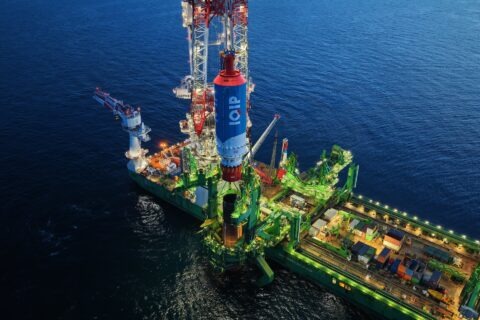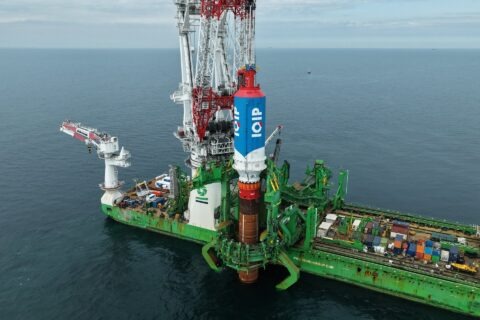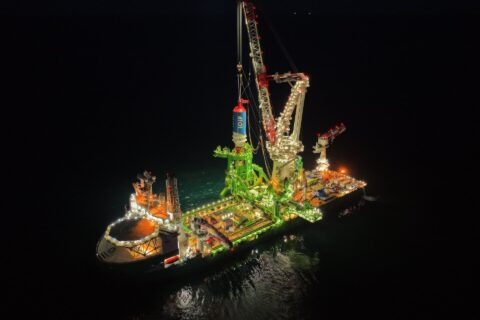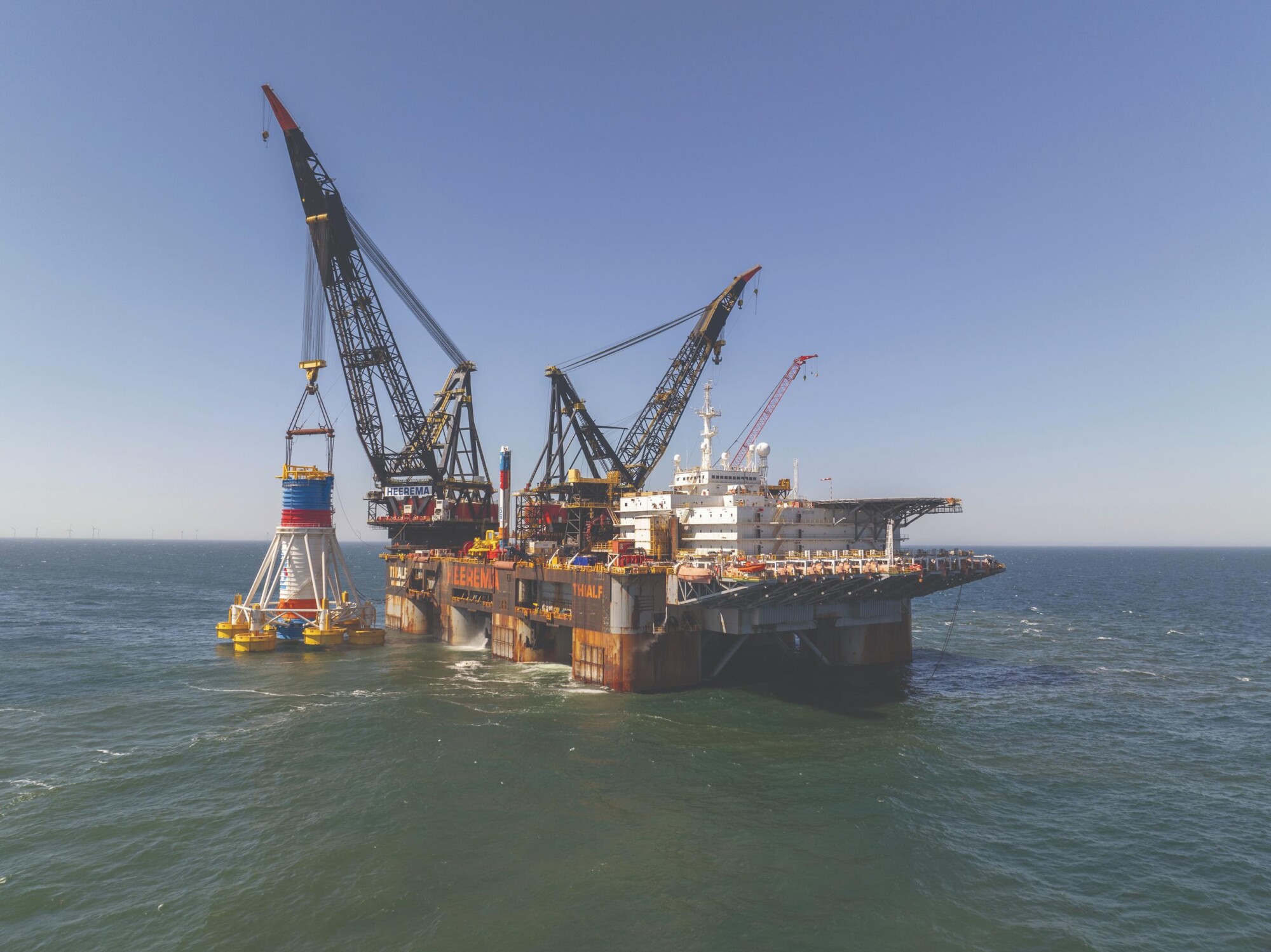
For years, conventional impact piling has been the industry standard for driving large monopiles to the required depth. This is effective, but the inevitable high underwater noise levels can harm marine life and make compliance with environmental regulations increasingly challenging.
Over the last decade, many countries have strengthened their commitment to protecting the marine environment and biodiversity. Although regulations vary by country and region, they increasingly set clear requirements for limiting underwater noise levels during offshore wind monopile installation, including:
- Germany: max. 160 dB SEL at 750 m, issued by the German Federal Maritime and Hydrographic Agency (BSH)
- Belgium: max. 185 dB SPL at 750 m, under the Marine Strategy Framework Directive (FPS Health MSFD)
- Denmark: species‑specific acoustic criteria considering PTS, TTS and behavioural disturbance, issued by the Danish Energy Agency
- The Netherlands: project‑specific requirements defined in Wind Farm Site Decisions (WFSDs), increasingly strict and often requiring mitigation
- Taiwan: max. 160 dB SEL at 750m, issued by the Bureau of Energy (BoE), Ministry of Economic Affairs
- Japan: strict regulations for airborne noise, issued by national and prefectural authorities
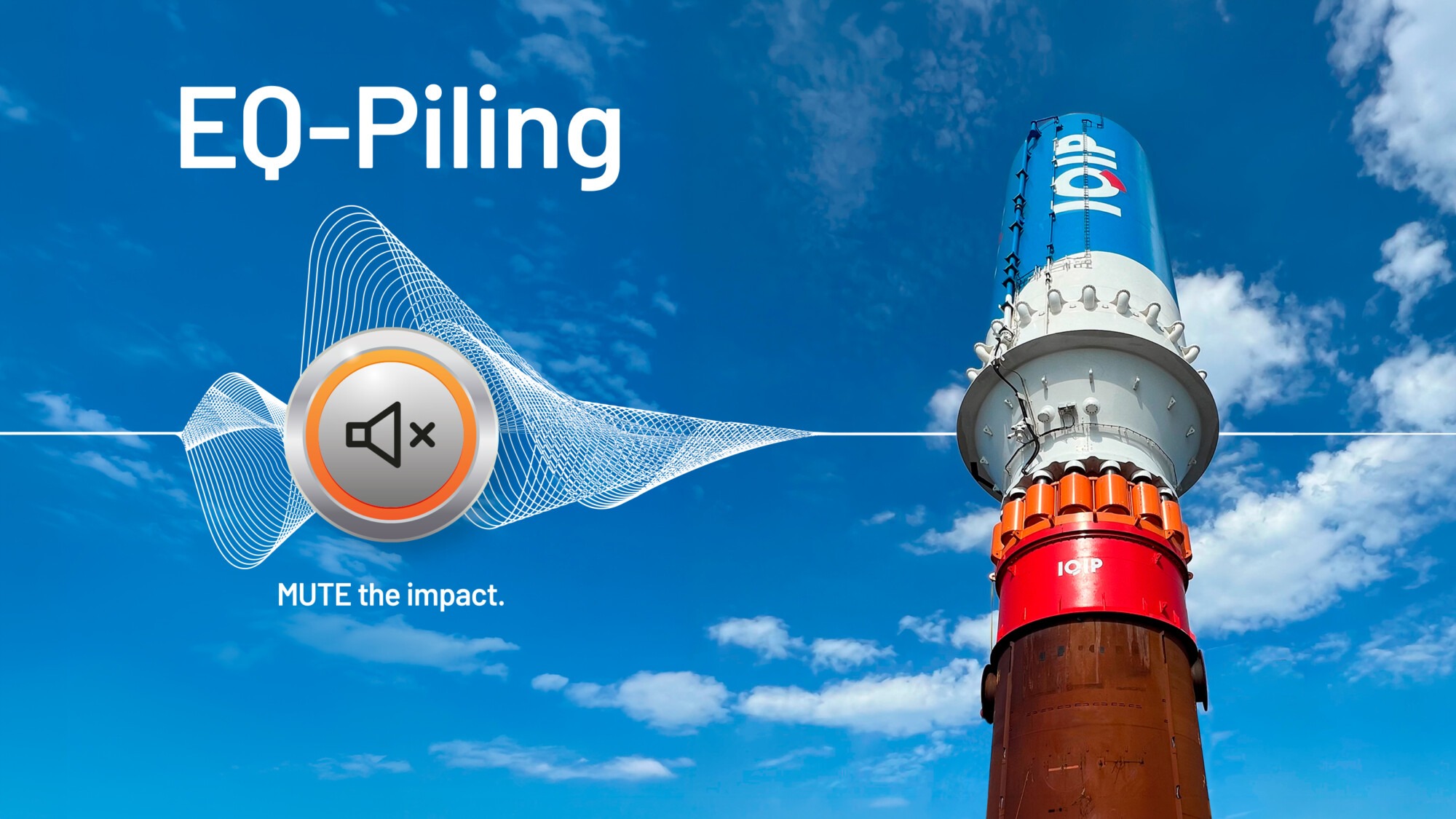
With strict limits and conventional methods relying heavily on additional noise abatement measures to comply, the industry needs a quieter alternative. EQ-Piling provides exactly that.
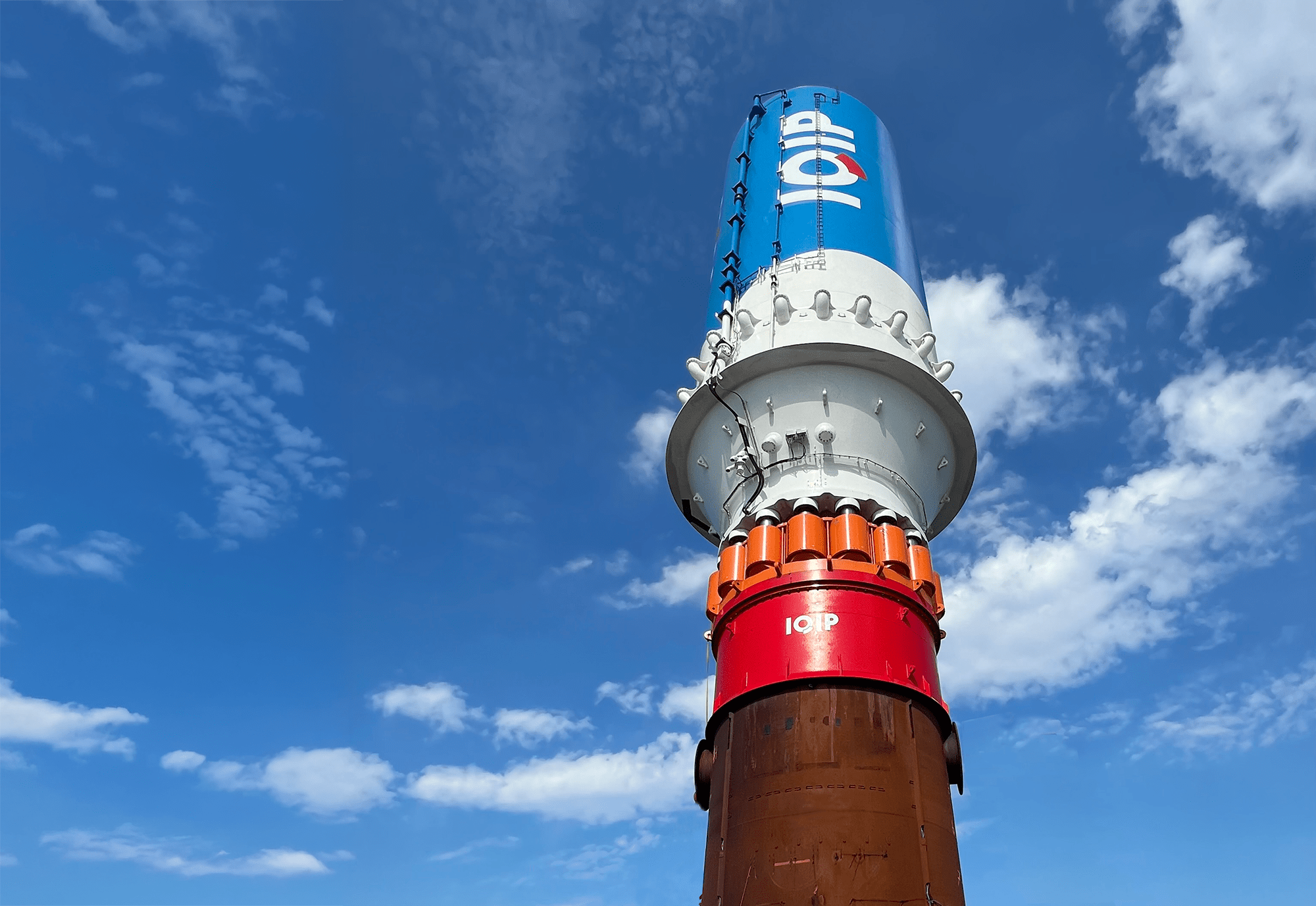
EQ-Piling offers significant benefits for meeting current and future requirements. It replaces the short, high-energy impact of traditional hammers with a prolonged, controlled force generated by a large seawater-filled tank acting as a drop weight, falling onto buffer cylinders. These cylinders extend the impact time by a factor of 15 to 20, creating a longer and more gradual force build-up.
This smoother energy transfer significantly reduces underwater noise while still delivering the power required to drive large monopiles to depth.